Starting school is an exciting milestone, but it can also bring plenty of questions for parents. Along with learning to recognise letters, count and make new friends, children need a range of speech and language skills to help them feel comfortable and confident in the classroom.
Communication plays an important role in school readiness. It helps children follow instructions, express their needs, join conversations and build relationships with teachers and classmates.
The good news is that children do not need to have perfect speech or language before starting school. Every child develops at their own pace. However, understanding the communication skills that support learning can help parents recognise where their child may need a little extra support.
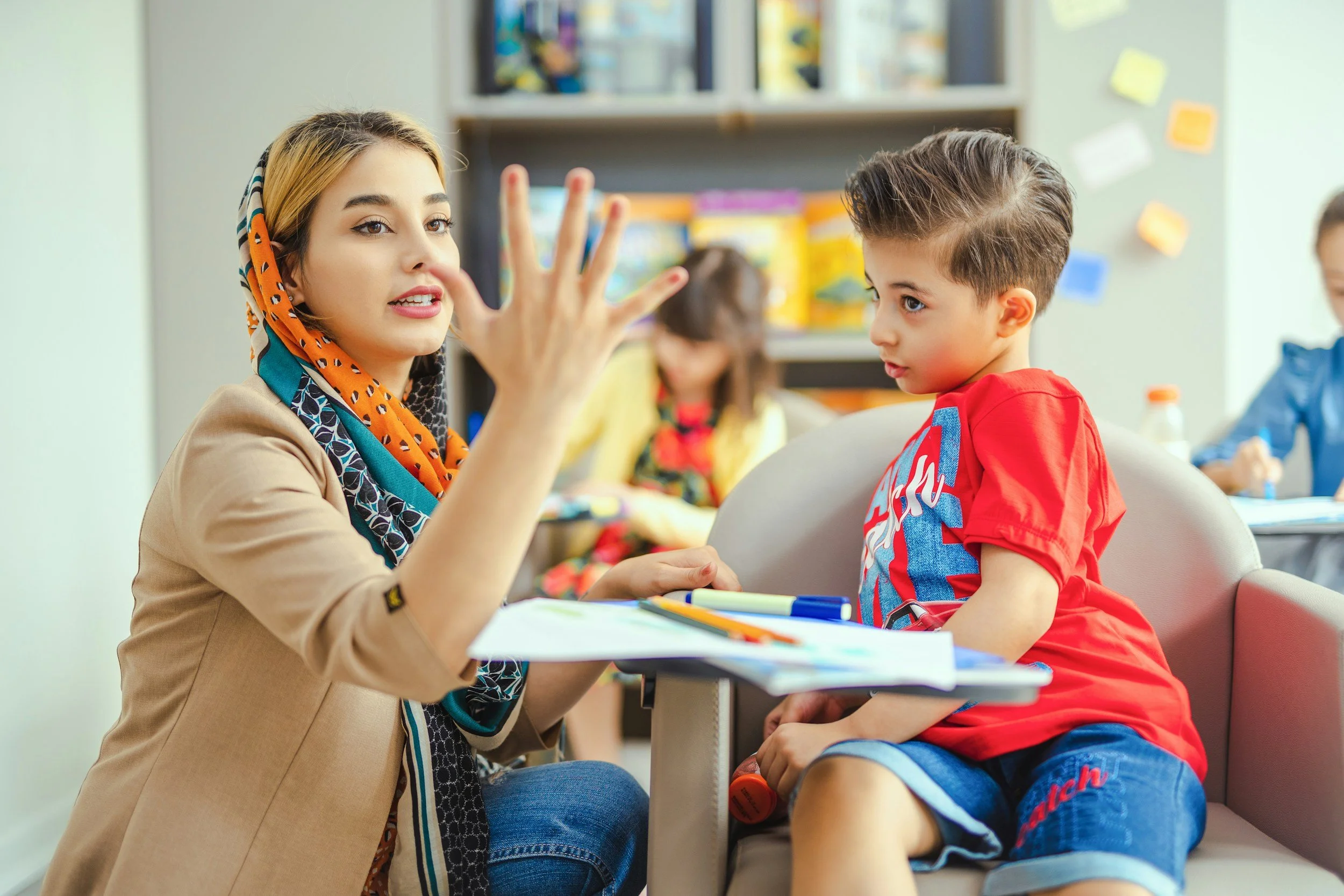
What Speech and Language Skills Does a Child Need Before Starting School?
There are several communication skills that help children participate in everyday classroom activities.
1. Understanding Instructions
Children are regularly asked to follow instructions at school, from packing away toys to completing activities. Being able to understand simple instructions and follow two or more steps can help children manage classroom routines.
For example, a teacher might say, "Put your book away and line up at the door." A child needs to understand the words, remember the steps and carry them out.
2. Expressing Needs and Ideas
Children need to be able to communicate what they want, how they feel and when they need help.
This might include asking to go to the toilet, telling a teacher that something is wrong or explaining what they would like to play. Being able to put thoughts into words can help children feel more independent and understood.
3. Answering and Asking Questions
Questions are an important part of learning. Children are encouraged to answer questions about stories, share information and ask when they are unsure about something.
For example, they may be asked what happened in a story, where an object belongs or why something occurred.
4. Telling Stories and Sharing Experiences
Being able to talk about something that has happened helps children connect with others and develop early literacy skills.
A child might describe what they did on the weekend, explain how they built something or retell a familiar story. They do not need to tell a perfect story, but developing the ability to share events in a meaningful order is helpful.
5. Social Communication
Starting school means spending time with new people and learning how to communicate in different situations.
Social communication skills include taking turns, listening to others, joining play, sharing ideas and recognising when someone else wants to speak.
These skills can take time to develop, and children may need support as they adjust to new social environments.
What If Your Child Is Not Meeting These Skills Yet?
Children develop at different rates, and there is no single checklist that determines whether a child is ready for school.
Some children may be confident speakers but find it difficult to follow instructions. Others may understand everything being said but struggle to express their thoughts clearly.
You might notice that your child:
Has difficulty understanding everyday instructions.
Uses shorter sentences than expected for their age.
Finds it hard to explain what they want or need.
Struggles to answer questions or describe events.
Has difficulty joining conversations or playing with other children.
Becomes frustrated when others cannot understand them.
If you have concerns, speaking with a speech pathologist can help you understand your child's communication development and whether additional support may be beneficial.
Simple Ways to Support Speech and Language Development at Home
You do not need worksheets or formal lessons to support your child's communication. Everyday activities provide plenty of opportunities to practise important skills.
Read books together. Pause to talk about the pictures, ask what might happen next and encourage your child to describe what they can see.
Give simple instructions. Ask your child to complete everyday tasks, such as putting their shoes away and bringing their bag. Gradually introduce more steps as they become comfortable.
Talk about your day. Share what you have been doing and encourage your child to tell you about their experiences. You can model how to put events in order.
Play turn-taking games. Board games, pretend play and simple ball games can help children practise listening, waiting and communicating with others.
Encourage questions. Give your child time to ask questions and explore their ideas. Respond with interest rather than rushing to provide the answer.
How Can a Speech Pathologist Help With School Readiness?
A speech pathologist can assess your child's communication skills, identify areas where they may need support and recommend strategies that suit their individual needs.
Support may focus on understanding language, expressing ideas, speech clarity, storytelling or social communication.
For families who live outside major cities or have difficulty attending appointments, online speech therapy for children can provide another way to access support. A telehealth speech pathologist can work with families through video sessions, using age-appropriate activities and practical strategies.
Every Child's School Readiness Journey Is Different
Preparing for school involves much more than knowing the alphabet or being able to count. Communication helps children learn, make friends, express themselves and feel included in their new environment.
If you are unsure whether your child's speech and language skills are developing as expected, a speech pathology assessment can help provide clarity and guidance.
With the right support, children can continue building the communication skills they need to approach their school years with confidence.
